Travel and Logistics
How to Get There
Fly to Bali's International Airport in Denpasar and let us know your flight details so we can arrange a car to collect you from the terminal. Transfers to and from Antagana Retreat are included in the Retreat Package. The journey from the Airport to Antagana Retreat takes approximately 3 hours, depending on the traffic.
Tourist Visas
An e-Visa on Arrival (e-VOA) is required to enter Bali - This Tourist Visa is valid for 30 days. Apply 2 weeks prior to travel or at least 48 hours before your travel to Indonesia, through the Directorate General of Immigration e-Visa website: https://evisa.imigrasi.go.id/. The cost is IDR 500,000.
You must have a Valid Passport with 6 Months' validity and a return or onward flight booking to another country to avoid any issues with your departure or onward travel.
Arrival Card
You need to complete a health declaration online as part of the new All Indonesia Arrival Card within 72 hours (3 days) of your travel to Indonesia.The arrival card and e-Visa on Arrival (e-VOA) can be completed through the All Indonesia website https://allindonesia.imigrasi.go.id/
Location
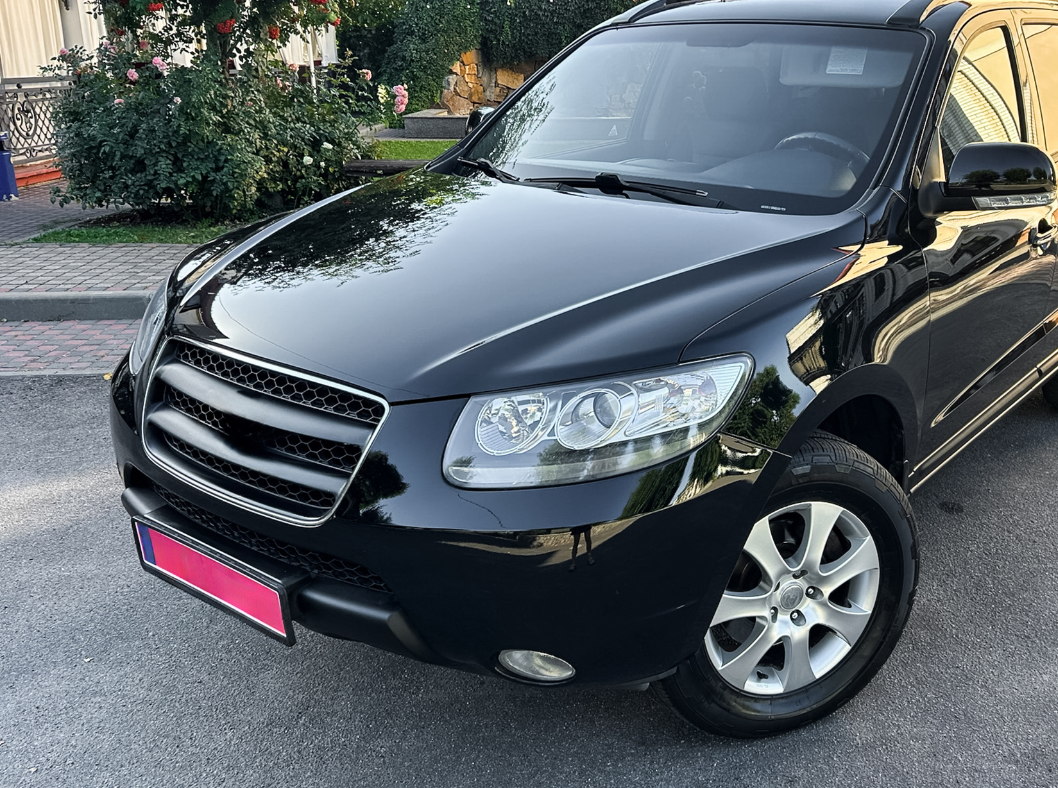
Local Transport:
Getting Around Bali
While our retreat offers seamless airport transfers, you may wish to explore the "sacred land" of Bali independently before or after our time together.
- Gojek & Grab: These are the "Uber" of Southeast Asia and are essential for your toolkit. Download the apps before you arrive. They offer transparent pricing and the choice of a car or a motorbike (scooter) taxi.
- Payment via App: You can link your Wise or Revolut card directly to the app to avoid handling cash for every ride.
- Safety First: Always verify the driver’s name and license plate in the app before entering the vehicle.
Blue Bird Taxis: If you prefer a traditional street taxi, look for the light blue "Blue Bird" cars with the bird logo. Ensure they use the meter to keep your journey grounded and fair.
Staying Connected:
Mobile Data & SIM Cards
To maintain your "Integration Toolkit" and stay in touch with loved ones, having local data is highly recommended.
- The eSIM Advantage: If your phone supports it, download an eSIM (like Airalo or Maya Mobile) before you depart. This allows you to activate a data plan the moment you land without swapping physical cards.
- Local SIM Cards: You can purchase a physical SIM card (Telkomsel is the most reliable in rural areas) at the airport or at local shops. Note that Indonesian law requires your phone’s IMEI to be registered, which can be done at the airport customs desk upon arrival if you plan to stay long-term.
- Sanctuary Wi-Fi: Our "serene sanctuary" provides Wi-Fi, allowing you to disconnect from the noise of the world and reconnect with your "inner blueprint" at your own pace.
- Digital Mindfulness: While having data is helpful for navigation, we encourage using your phone mindfully, especially during the Nyepi Day of Silence
Electrical
- Bali's electrical supply is 230 volts. Bali uses type C two round pins and type F two round pins with side grounding clips.
- Bring a universal travel adapter. Consider multiple USB ports if you have several devices.
- You can charge everything simultaneously with an adapter with multiple USB ports.
Currency & Financial Logistics
- What is the local currency? The local currency is the Indonesian Rupiah (IDR).
- Should I exchange money at the airport? While convenient, airport and hotel exchange services often have less favorable rates. We recommend exchanging only a minimal amount of AUD for IDR at the airport for immediate needs and using secure ATMs for the rest of your stay.
- What is the best way to manage my money in Bali? We suggest using a mix of debit/credit cards and cash. Multi-currency cards like Wise or Revolut are excellent for lower international transaction fees and mid-market exchange rates.
- Should I pay in AUD or IDR when using my card? Always choose to pay in IDR. If an ATM or terminal asks to charge you in AUD (Dynamic Currency Conversion), decline it. Choosing IDR allows your home bank to handle the conversion, which almost always results in a better rate.
- How should I handle cash safety? For peace of mind, split your cash between two wallets and keep some emergency cash (AUD or USD) separate from your main stash. Your "serene sanctuary" at the retreat includes a hotel safe for securing your valuables.
- Is it easy to get change for large notes? Larger notes (Rp100,000) can be hard for local vendors or small shops to break. We recommend carrying plenty of small notes (Rp1,000 – Rp20,000) for local "warungs" or street food. You can get change for larger notes at supermarkets, hotels, or banks.
- Are ATMs safe to use? Yes, provided you use ATMs in secure, busy locations such as malls or hotels. To minimize fees, try to withdraw larger amounts less frequently.
- What should I look out for at exchange bureaus? If you use a physical exchange bureau, ensure it is a reputable one. Always count your money carefully at the counter and stay alert to ensure the transaction is handled correctly.
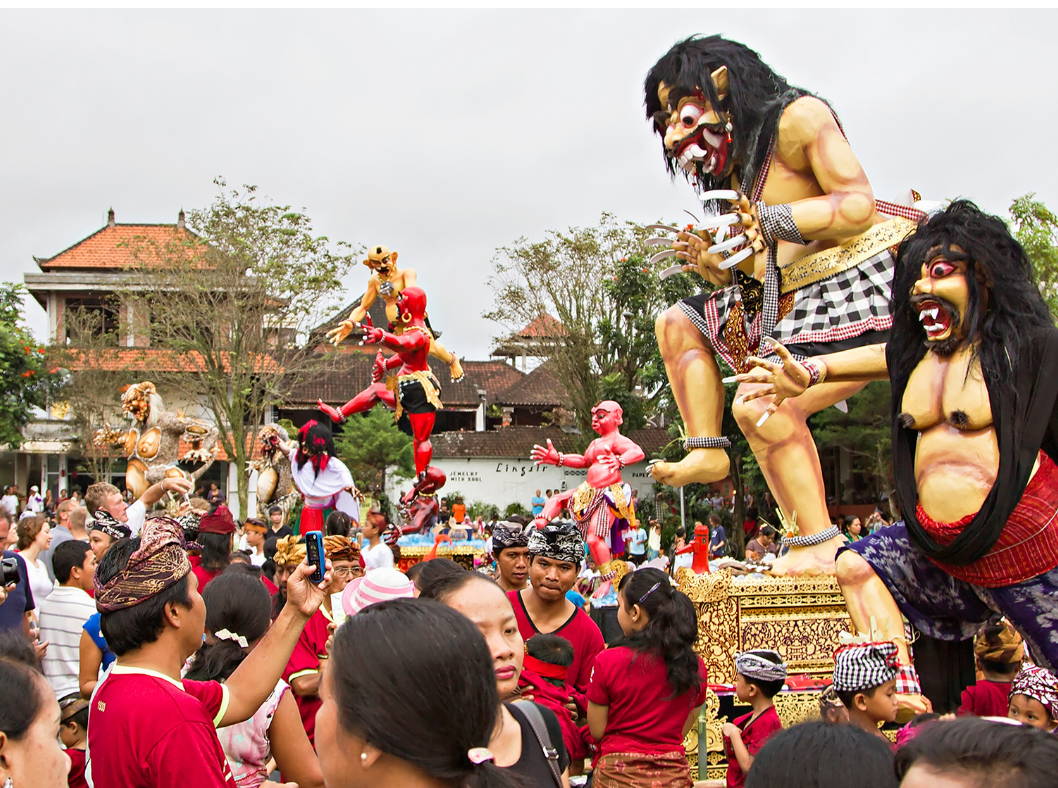
Cultural Etiquette: Honouring the Sacred Spirit of Bali
When we step out of our "serene sanctuary" and into the local villages—especially during high-energy events like the Ogoh Ogoh parade—we do so as guests of the land and its ancestors.
- Dressing for the Sacred
- Modesty is Respect: When visiting villages or witnessing the Bhuta Yajna Ritual, always ensure your shoulders and knees are covered.
- The Sarong & Sash: For sacred ceremonies like the Water Blessing, wearing a traditional Balinese sarong and waist sash is a beautiful way to show you are in harmony with their "rich spiritual heritage".
- Body Language & Presence
- The "Tri Hita Karana" Spirit: Approach every interaction as a "bridge between worlds," honoring the harmony between humans, nature, and the divine.
- Mind Your Head: In Balinese culture, the head is the most sacred part of the body; avoid touching anyone on the head, including children.
- The Power of the Right Hand: Use your right hand for giving, receiving, or pointing, as the left hand is traditionally reserved for personal hygiene.
- Honouring Offerings & Rituals
- Mind the Canang Sari: You will see small palm-leaf baskets of flowers and incense (Canang sari) on the ground. These are daily "sacred ceremonies"; please be mindful not to step on or over them.
- Observing the Ogoh Ogoh: While the parade is a "powerful collective act" of cleansing, remember it is a spiritual ritual for the community. Keep a respectful distance from the effigies unless invited closer.
- Silence During Nyepi: On the Day of Silence, stay within the retreat grounds. Total stillness is required by law and custom to allow the island to undergo "reflection and rebirth".
- Interactions with Villagers
- Smile and Greet: A gentle smile and a slight bow of the head is the most "authentic expression" of peace in Bali.
Ask Before Photos: Before capturing the "tranquil beauty" of a local or their ceremony, always ask for permission with a kind gesture.
What to Bring
- Pack smart: Bring lightweight, breathable clothing (cotton or linen), swimwear, a light rain jacket or poncho, a hat, and sunscreen, walking shoes
- Use insect repellent: Mosquitoes are more active in the humid conditions after rain, especially around lush areas.
- Personal Sacred Items such as crystals
- Headphones/Notebook/Pen/ Torch
Check List:
Preparing for a transformational journey is an act of intention. This list ensures you have everything needed to stay comfortable while you focus on the "courage of your soul."
Apparel for Soul Work & Movement
- Light, Breathable Clothing: Pack natural fabrics like cotton or linen for the tropical climate.
- Ceremonial Modesty: A sarong and a light shawl or shirt that covers your shoulders for village visits and sacred ceremonies.
- Comfortable Movement Wear: Yoga pants or loose trousers for "Deep Inner Reflection" sessions and meditations.
- Swimwear: For the sanctuary pool, sunset swims, or the Water Blessing Ceremony.
- A Light Layer: A light sweater or wrap for cooler evenings or air-conditioned spaces.
Footwear
- Easy-to-Remove Sandals: Essential for Balinese culture, as shoes are often removed before entering sacred spaces or the sanctuary.
- Walking Shoes: Sturdy, comfortable shoes for "Nature Walk Meditations" through the rice terraces.
Your Inner Liberation Tool Kit
- Personal Journal & Pen: To capture "the soul's whispers" during visioning and creative exploration sessions.
- Sacred Objects: A small crystal, photo, or token to place on a communal altar during a ceremony.
- Art Supplies: While some may be provided, feel free to bring specific pens or tools for your "Creative Exploration."
Health & Wellness
- Eco-Friendly Sun Protection: Reef-safe sunscreen and a wide-brimmed hat.
- Natural Insect Repellent: To keep you comfortable during garden reflections and evening rituals.
- Reusable Water Bottle: Stay hydrated during your "Sacred Immersion."
- Personal Medications: Ensure you have enough for the duration of the 7-day retreat.
Essential Logistics
- Passport: Must be valid for at least six months beyond March 2026.
- Travel Documents: A printed copy or PDF of your retreat registration and travel insurance details, an airline ticket, an Indonesia Entry Visa, and a Health/Customs Declaration.
- Universal Power Adapter: Indonesia typically uses Type C and F plugs.
- Personal Light or Torch, hedphones
Sacred Spending: Honouring the Local Community
Supporting the local community is a powerful way to ground your transformation and practice "conscious creation" in the physical world. When you visit the local villages surrounding our sanctuary, consider these ways to spend with intention:
- Village Artisan Crafts: When we walk to the local village to witness the Ogoh Ogoh effigy creation, you may find local artisans selling handmade crafts. Choosing these items directly supports the families who preserve Bali's "rich spiritual heritage".
- Support the "Warungs": Enjoying a meal or drink at a small, family-run warung (local cafe) is a beautiful way to experience authentic Balinese flavors while contributing directly to the local economy.
- Ceremonial Offerings: You may wish to purchase traditional offerings (Canang sari) or incense from village vendors to use during our Water Blessing Ceremony or to place on our communal altar.
- The Art of "Fair Exchange": In alignment with the "courage of the soul," approach spending as an act of love and grace. While light bargaining is common in markets, aim for a "fair exchange" that acknowledges the skill and time the artisan invested in their work.
- Balinese Textiles: Look for hand-woven sarongs or fabrics. These are not just clothing; they are "cultural wisdom" woven into physical form, often featuring patterns that have been passed down through generations.
- Nature-Inspired Keepsakes: Small items made from sustainable coconut shells, bamboo, or local wood can serve as "anchors" for your Integration Tool Kit when you return home.